
Technology Transfer
Comprehensive patent and licensing support for universities and research institutions
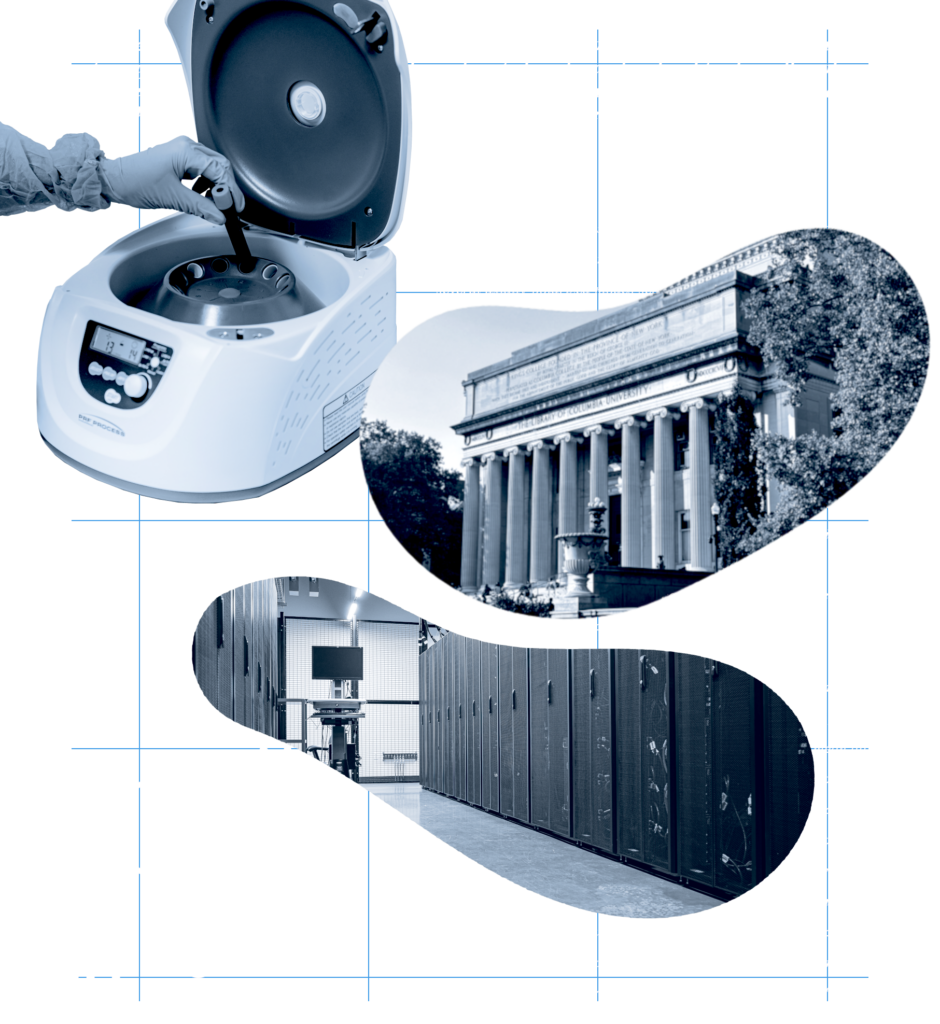
Serving Research Institutions
Alliance IP serves universities, national laboratories, and other research institutions in the United States and abroad. Our clients include one of the leading research universities in the U.S. We understand that technology transfer operates under constraints that commercial patent practice does not. Publication and grant deadlines drive filing strategy, inventors are often faculty and graduate students rather than corporate engineers, and disclosures at conferences and in dissertations can foreclose rights before an application is ever filed. We also understand that institutional budgets are fixed, and we work on flat-fee and other flexible arrangements that let an institution know what a project costs before it begins.
Patent Preparation & Prosecution
We prepare and prosecute patent applications with these realities in mind, working directly with inventors and technology transfer offices to build portfolios that support commercialization rather than merely accumulate assets.
Federally funded research carries its own requirements. We advise on Bayh-Dole compliance, including invention disclosure and election-to-title deadlines, government use rights, march-in rights, and manufacturing preferences, and we counsel institutions on ownership questions arising from joint research agreements, sponsored research, and inter-institutional arrangements. For non-U.S. institutions, we coordinate international filing strategy and manage foreign filing license requirements.
Licensing
Our attorneys draft and negotiate the agreements through which institutional technology reaches the market, from exclusive and non-exclusive licenses to option agreements and startup and spinout arrangements. We address the terms that determine whether a technology actually gets commercialized: field-of-use limitations that let an institution license the same technology across multiple industries, diligence and milestone obligations that keep a licensee moving toward market, royalty and equity structures suited to early-stage technology, and rights in improvements developed after the license takes effect.
A university’s interests do not end at the royalty rate. Institutions need to preserve their researchers’ freedom to publish and to continue working in the field, and federally funded institutions must reserve the government’s rights regardless of what a licensee prefers. These are the concerns reflected in Nine Points to Consider in Licensing University Technology, and they inform how we approach institutional licensing.
Identifying Licensees
We can also help institutions identify companies well positioned to license their technologies, drawing on the technical depth we bring to prosecution and the claim charting experience we apply in our due diligence practice. Our aim is a licensing relationship that puts institutional research to use.